Autodesk confirms Forma will replace Revit over time
01
Story of the week
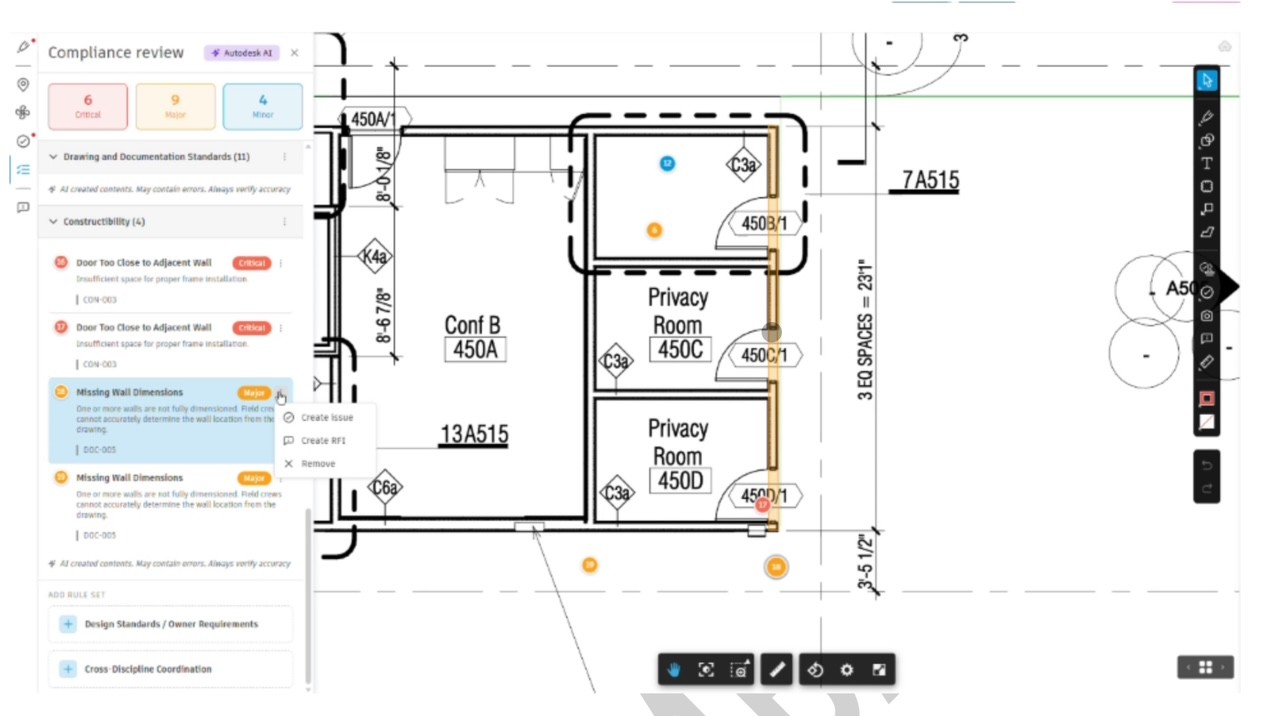
At Autodesk University this week, Autodesk answered a question it had previously left to roadmap slides: will Forma replace Revit? Yes, over time. Revit carries on as a production tool for now, relabeled a "Forma Connected Client," but the direction is now on record. Civil 3D received the same designation at the same conference, with a new shared geopositioning layer tying civil and building models to common real-world coordinates across a project.
The case Autodesk made for why Forma's AI will matter comes down to project context. General AI trained on internet data doesn't know a project's history, its decisions, or its current constraints. Forma, they argued, holds all of that and makes it accessible to AI tools working inside it. Autodesk also embedded AI Transparency Cards inside its Assistant this week, so staff can see what each AI feature does, what data trained it, and where its limits are, without leaving the tool.
A new shared geopositioning layer now ties Civil 3D, Forma, and Revit to the same real-world coordinates. Firms managing large sites where civil and building models need to align will notice this first.
02
Themes
Autodesk reorganized its entire product line around Forma at a single conference
Forma is officially the long-term replacement for Revit. Civil 3D is now a Forma Connected Client through a new shared coordinate system. AI Transparency Cards are embedded inside Autodesk's Assistant. All three came from AU this week. Together they describe a platform where multiple disciplines connect to Forma, AI has access to live project data, and firms can document how that AI contributed to any deliverable. Revit and Civil 3D shift into the role of production tools feeding that platform rather than standalone products. The timeline for the Revit succession remains vague.
AI accountability documentation is moving inside the products
Microsoft published a 37-page code of conduct covering how its AI products handle oversight and acceptable use, giving firms a reference document for writing their own AI policies. Autodesk went further and embedded AI Transparency Cards directly inside its Assistant, so the information about what a feature does, what data trained it, and what its limits are is available while using the feature. Both moves point toward the same expectation: that firms will face questions from clients or insurers about how AI contributed to a deliverable, and that vendors want the answers built in rather than filed separately.
Two different answers to where project data should live
HP announced the ZBook Ultra G3a this week, a workstation built to run AI models locally, keeping project data off cloud servers. Its processor handles large AI models without an internet connection, and HP pre-loaded tools for code compliance, material research, and design review that run alongside Revit inside Windows. Autodesk made a related but different argument at AU: that AI trained on general internet data lacks the project-specific context that makes it useful in AEC, and that Forma's value is in keeping project history and live data in one controlled place where AI can use it. Local hardware and a tightly managed platform are two answers to the same concern about where sensitive project information ends up.
ChatGPT and Claude both expanded what staff can do with them this week
ChatGPT produced an interactive walkability map with downloadable geometry from a street address, using public mapping data, in a 27-minute session. A project team could use the same approach for a rough catchment or walkability diagram without specialist GIS software. Claude merged its Cowork and standard chat products into one for Pro and Max subscribers, rolling out over the coming weeks on web, desktop, and mobile. The combined version handles background tasks and keeps working after you close the app, which matters when using Claude to draft specs or correspondence against a deadline.
03
Notable tools
-
 Tooling
HP ZBook Ultra G3a runs AI models locally alongside Revit
192 GB of shared memory runs large AI models without a cloud connection. HP pre-loaded tools for code compliance, material research, and design review via Perplexity, running inside Windows alongside Revit. Memory is soldered at purchase, so configuration choices at order matter more than usual. -
 Tooling
Endra Power Studio produces a complete electrical design and Revit model from a building model
Input a building model and project requirements; Endra outputs a complete electrical design including Revit models, panelboard schedules, shop drawings, and single-line diagrams. Claims under a day for a 500,000 sq ft commercial building. -
 Tooling
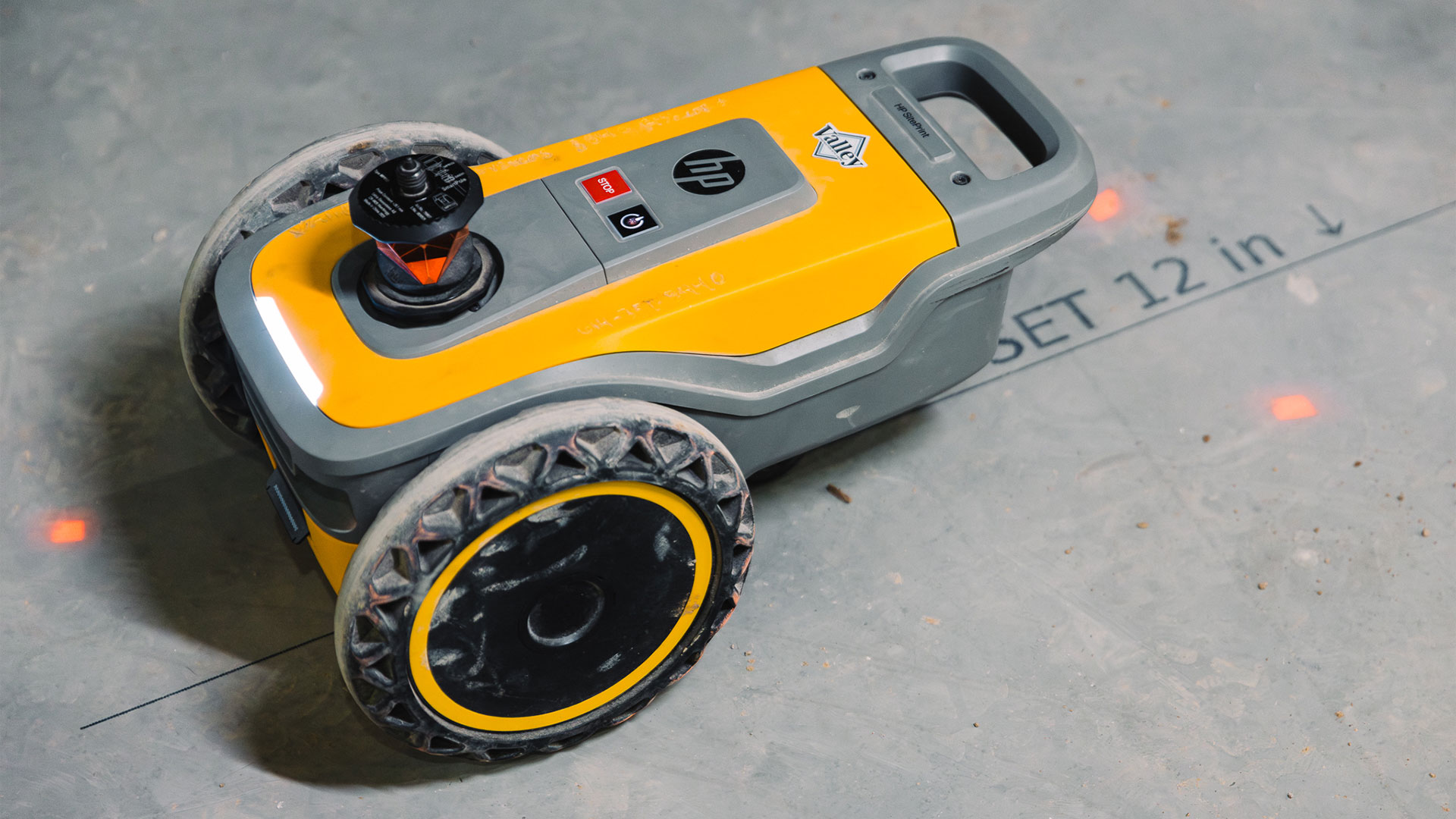
HP SitePrint reroutes around obstacles automatically, and Build Workspace converts scanned drawings to editable CAD
SitePrint robots now detect materials, equipment, or temporary works in their path and reroute without operator input. Build Workspace gained automatic revision flagging and a scan-to-CAD tool that reads scale directly from any scale marker printed on the sheet. -
 Practice
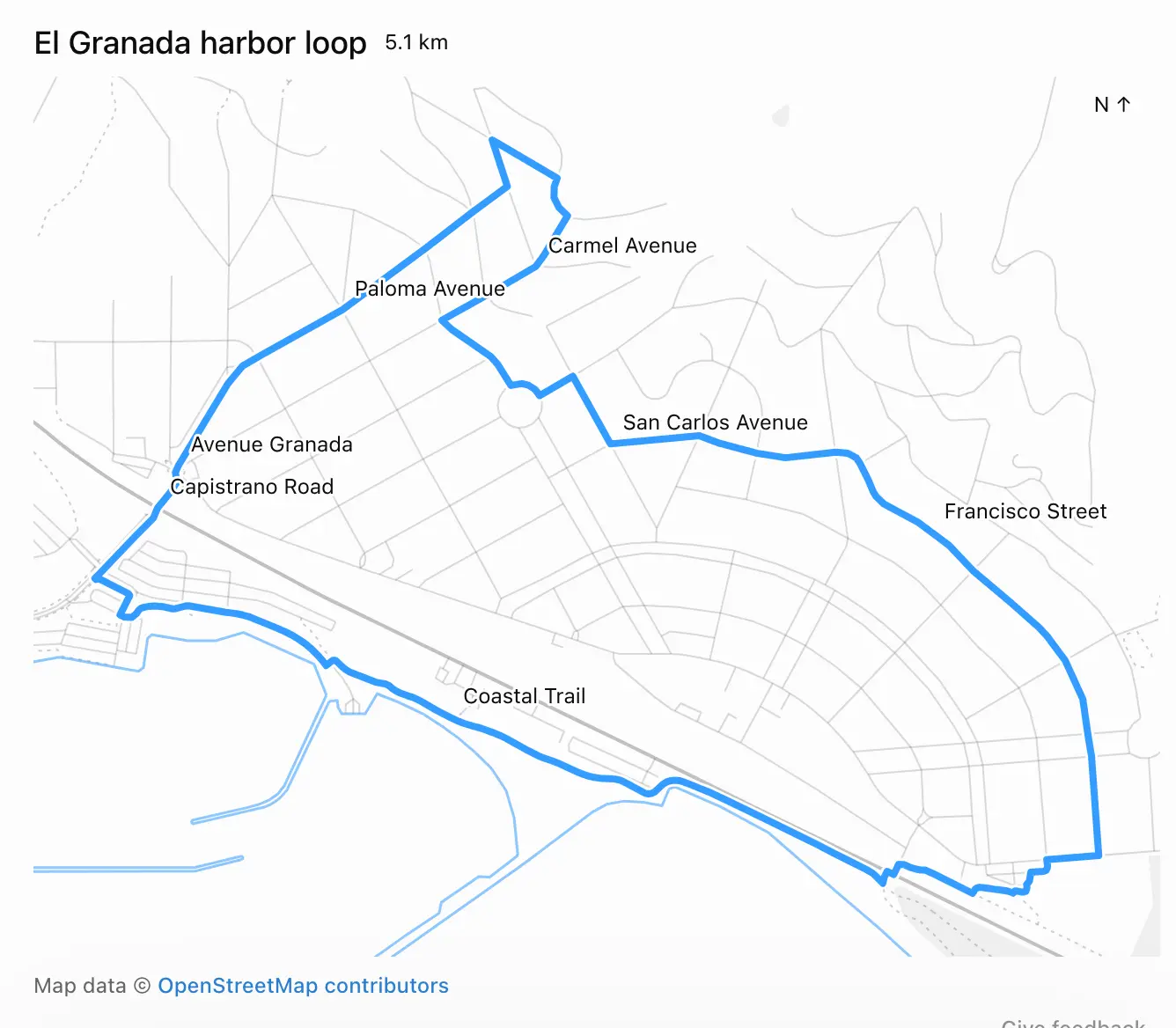
ChatGPT can generate walkability and catchment maps from a street address
Using GPT-6 Astra and public OpenStreetMap data, ChatGPT produced interactive 5K and 10K walking-route maps with downloadable geometry files in a 27-minute session. A project team could use the same approach to generate a rough catchment or walkability diagram without specialist GIS software. -
 Tooling
Fyxer drafts email replies in your own voice using your past correspondence
Connects to your inbox, learns your tone and relationship history with each contact, and drafts replies to match. The company reports 53% of AI-drafted replies are sent without any edits. Available now as a subscription. -
Tooling
Claude's merged chat product keeps working on background tasks after you close the app
Claude is combining its Cowork and standard chat into one product for Pro and Max subscribers, rolling out over the coming weeks on web, desktop, and mobile. The combined version handles ongoing tasks and continues working after the app is closed, which matters when drafting specs or correspondence against a deadline.