Graphisoft launches Archicad 30 with three subscription tiers and an AI roadmap still taking shape
01
Top story
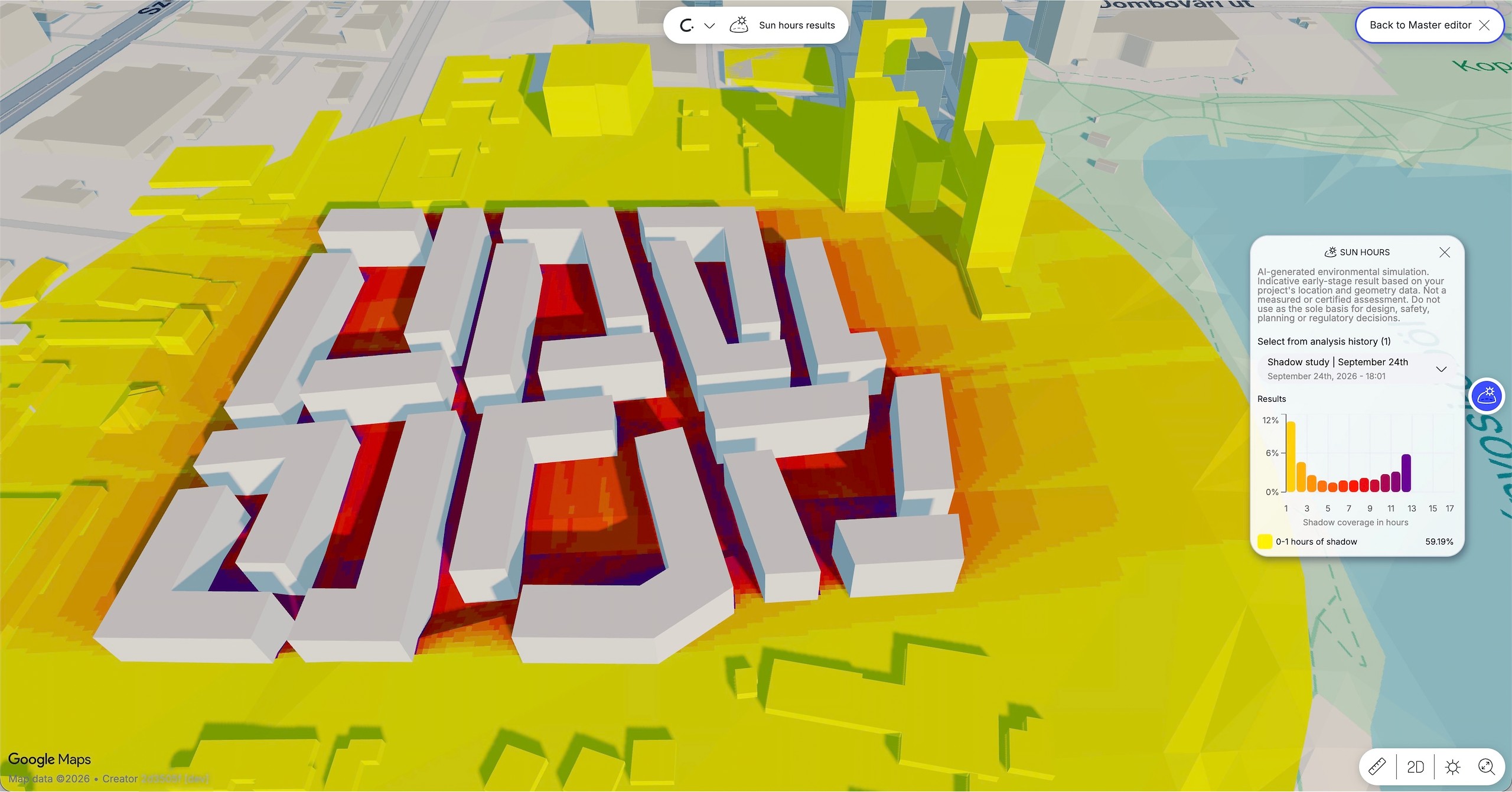
Every Archicad seat-holder is now looking at three subscription options instead of two, deciding whether the new Archicad Max tier is worth it. Graphisoft released Archicad 30 this week, combining practical workflow updates with an AI roadmap covering image generation, an AI assistant, and a cloud platform for early-stage design called Nemetschek Creator. The core release is available now: Dark Mode on Windows, better multi-storey wall visibility, more flexible drawing labels, and updated Navigator organisation. The AI roadmap largely isn't. AI Visualizer gets new image-generation model options, and AI Assistant Spaces will let firms build a knowledge base from their own documents, but Graphisoft gives no timeline for either capability. Creator, aimed at concept design with sustainability and feasibility analysis, is heading toward early access in October with eligibility details still unpublished; Graphisoft's Ignite event on October 13 is due to fill in the gaps.
02
Quick hits
-
 Tooling
GPT-6 brings interactive charts, diagrams, and buttons into ChatGPT responses
Interactive charts, diagrams, and buttons are now part of ChatGPT responses, available for Plus, Pro, Business, and Enterprise accounts with GPT-6. Ask a complex question and ChatGPT may respond with a labeled diagram, a scrollable chart, or a generated tool rather than plain text. Free-tier users get access Thursday. -
 Tooling
Microsoft Copilot gains access to local files and Windows-level actions
Microsoft announced that Copilot will gain access to files stored locally on a Windows PC and the ability to take actions across the operating system, under an initiative the company is calling Hybrid Intelligence. For staff already using Copilot to draft correspondence or specifications, this means it can pull from documents on the machine rather than only what is pasted in. -
 Regulation
OpenAI publishes its approach to EU text-watermarking requirements for ChatGPT
Under new EU rules on AI-generated text provenance, ChatGPT output will carry a watermark. OpenAI published its approach this week, saying detection access starts with researchers rather than general users. The rules are now producing concrete product changes at the tools firms use daily. -
 Practice
AI and robotics offered as construction's answer to a 350,000-worker annual shortfall
350,000 to 460,000 net new construction workers are needed every year on top of normal hiring to keep up with demand, per Associated Builders and Contractors, while 41% of the current workforce is projected to retire over the next decade. An ENR commentary argues that AI and robotics are the industry's response, and that executives who have not priced in workforce-gap risk are underestimating their exposure.
03
New tools & releases
-
 Tooling
Volve AI compares specs, drawings, and BIM models to speed up tendering
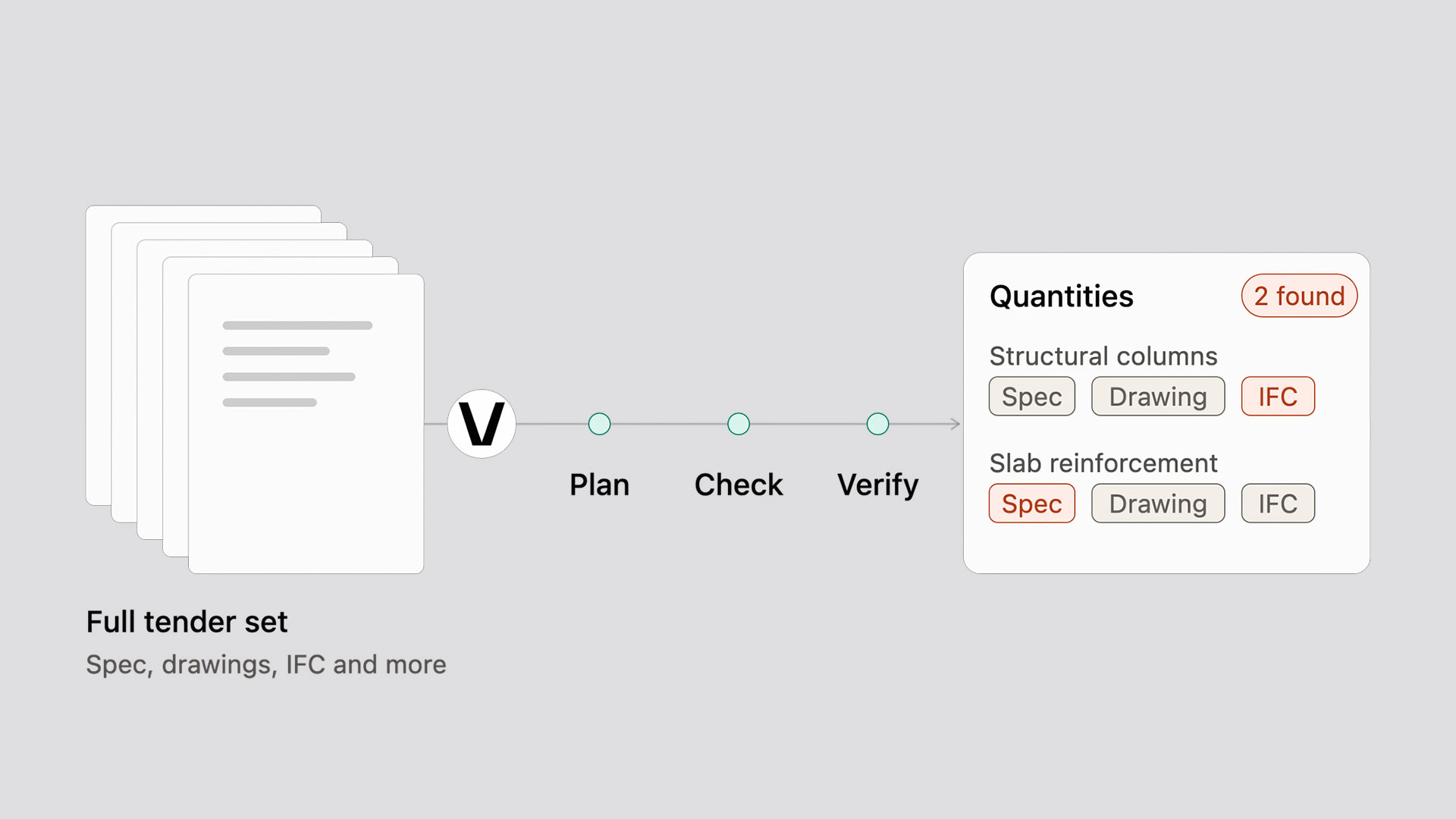
Volve AI gives contractors a single place to compare specifications, drawings, and BIM models during tendering, with the aim of catching discrepancies before bids are submitted. Project architects managing tender packages will encounter this kind of tool more often on larger bids. -
 Tooling
Vectorworks 2027 adds better visualisation and expanded Revit file support
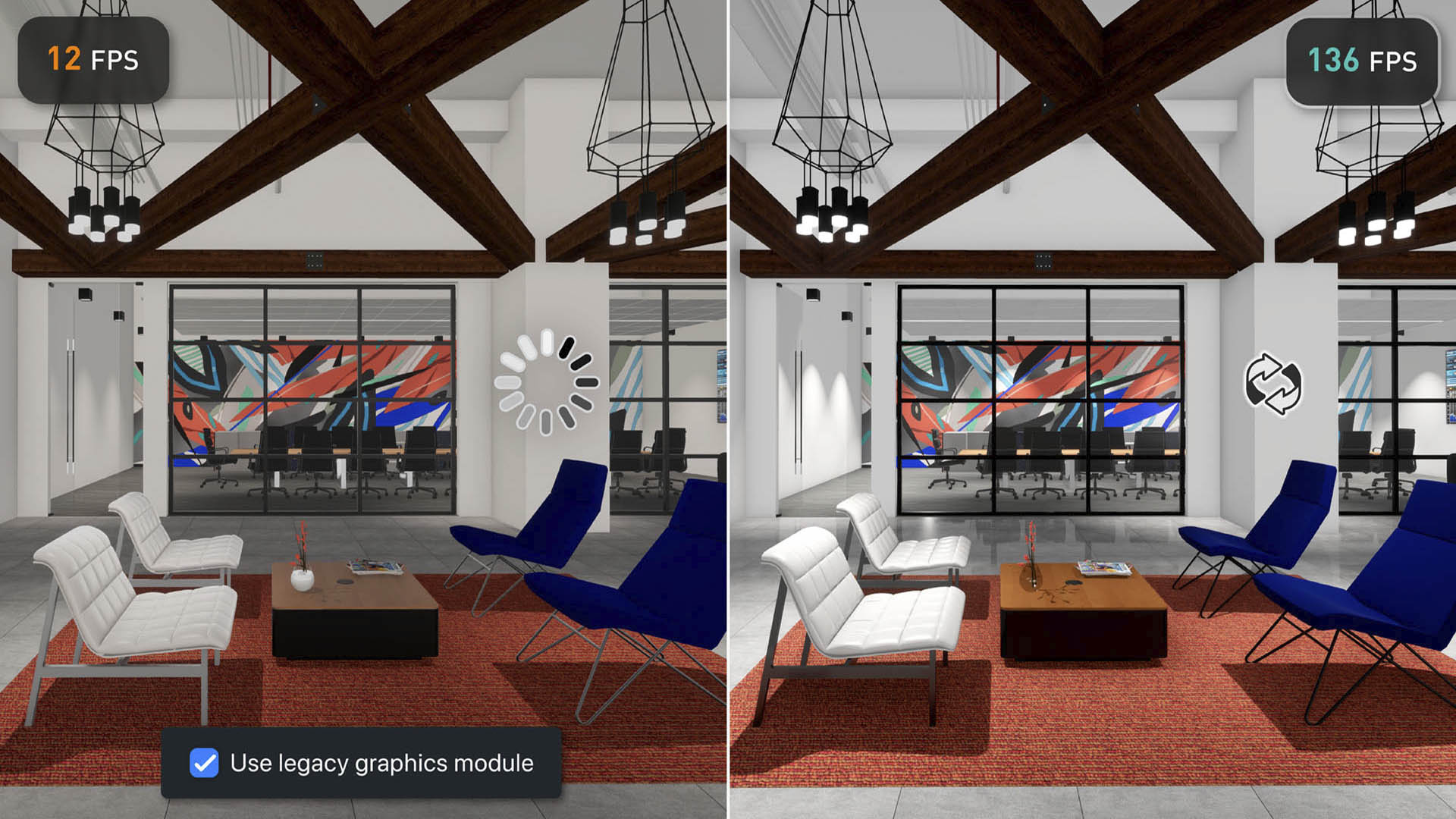
Vectorworks 2027 brings performance improvements, better visualisation, and expanded Revit file compatibility. Firms running Vectorworks alongside Revit-based consultants are the primary beneficiaries of the interoperability update. -
 Tooling
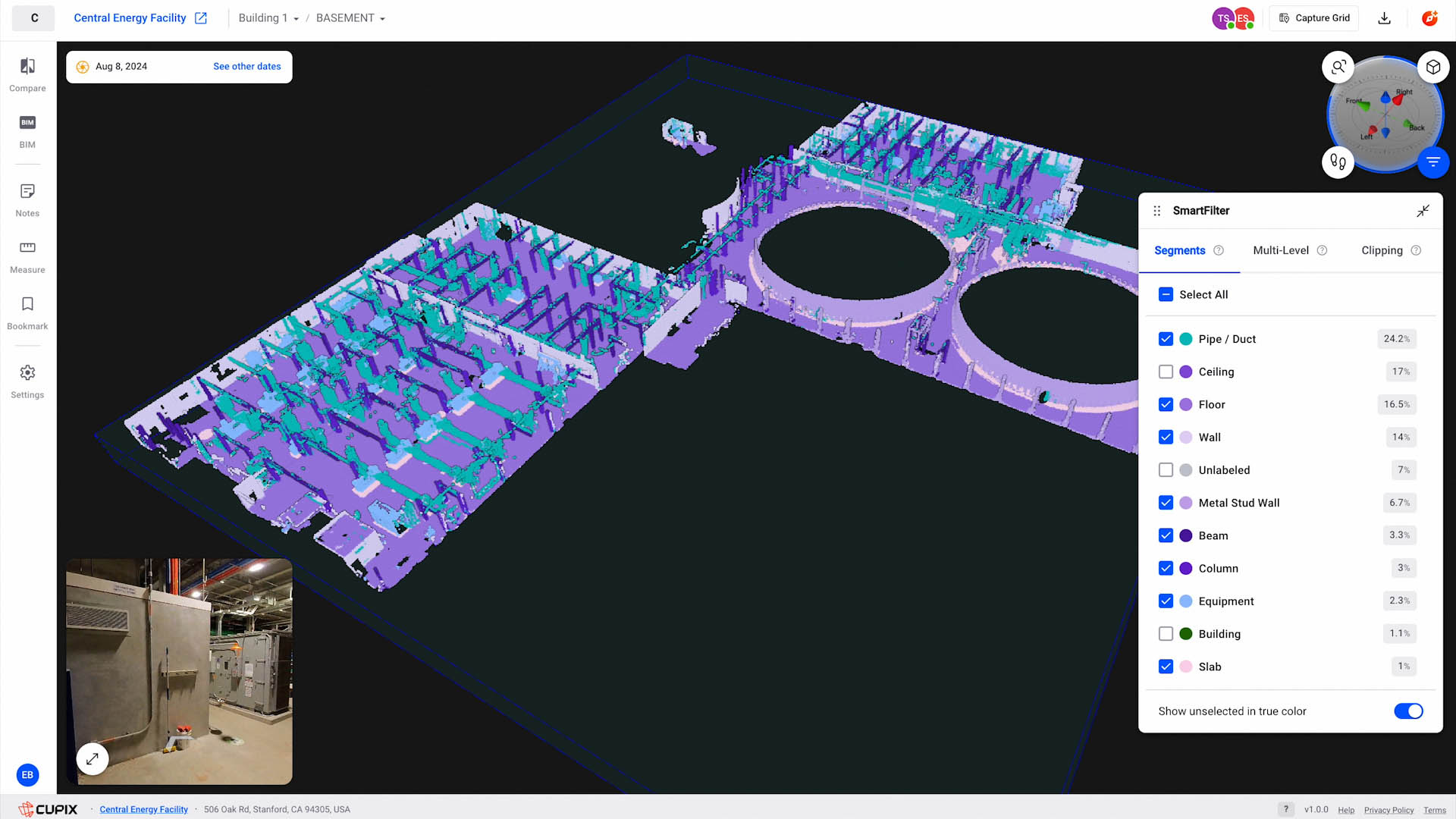
CupixWorks 5.0 links reality-capture scans to asset records for building operations
CupixWorks 5.0 connects reality-capture scan data to asset records and project information, extending the platform's use past construction handover into ongoing building operations. Firms with post-occupancy or asset-management relationships with owner clients will find the most use here.
AEC Magazine ran concentrated product-release coverage this week, which accounts for the top story and all three tools items. The rest of the brief draws on The Verge, OpenAI, and ENR.